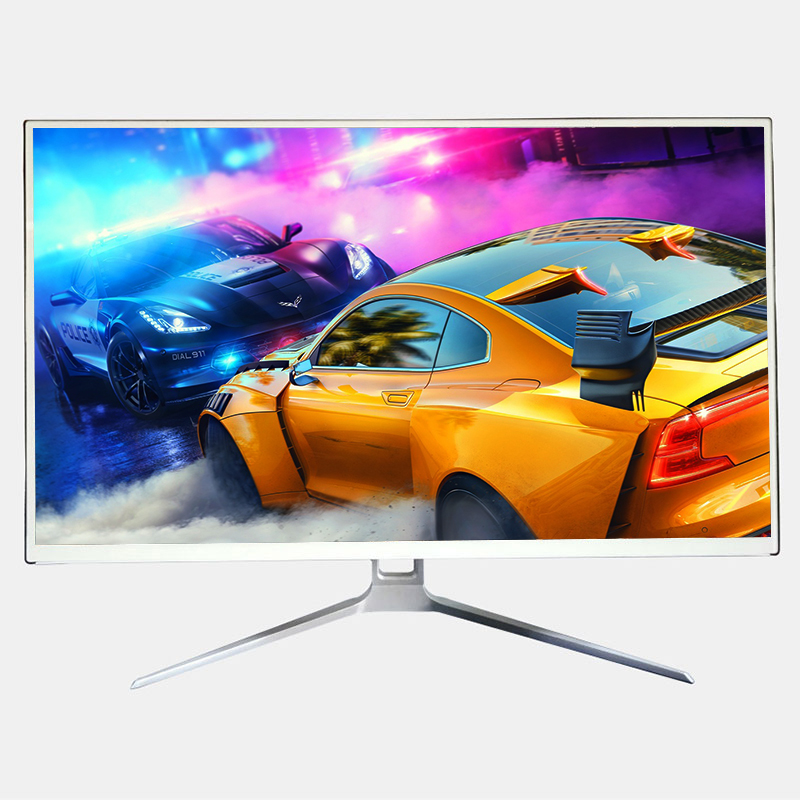
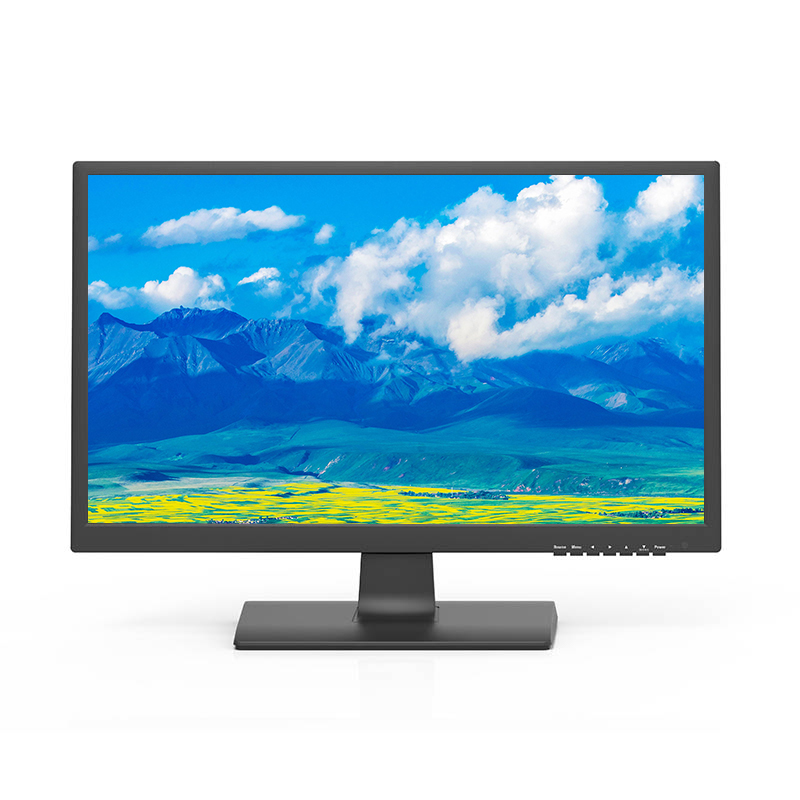
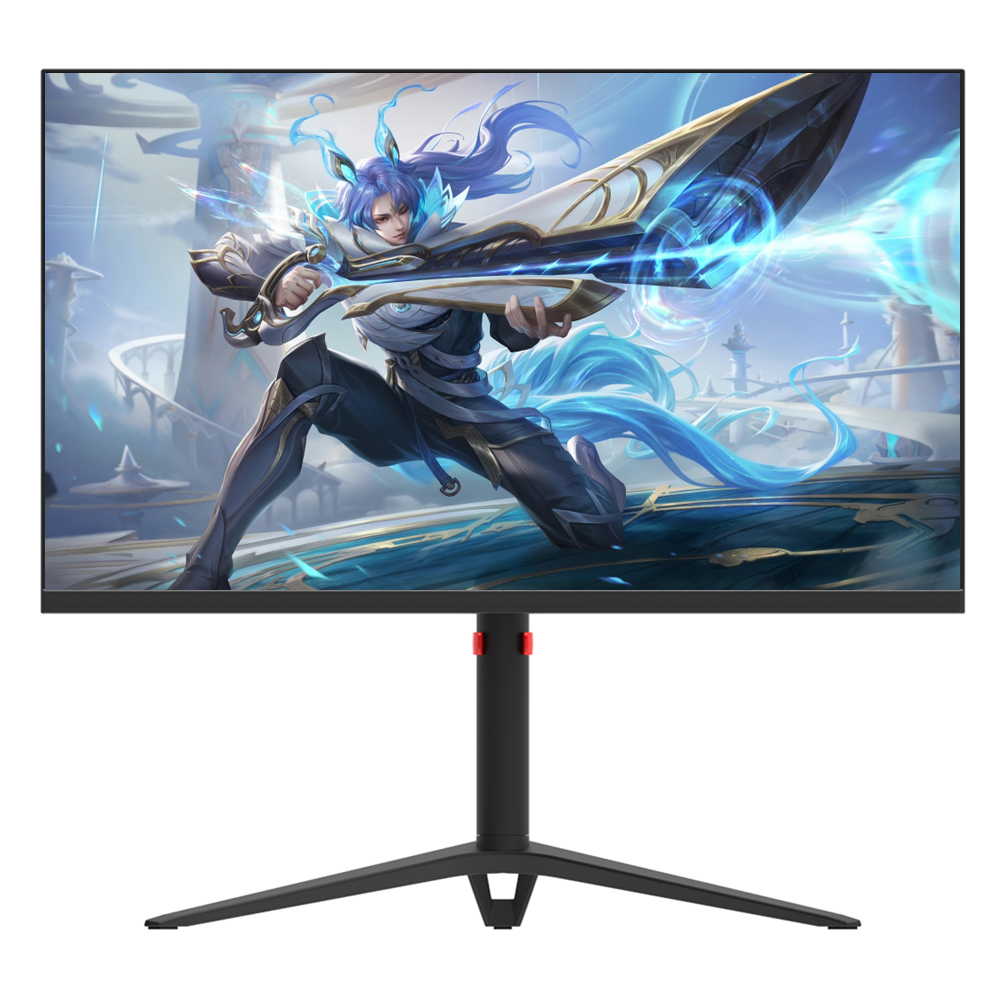
**Affordable 144 Hertz Monitors Set to Revolutionize Gaming and Productivity**In recent years, high-refresh-rate monitors have gained remarkable popularity among gamers, graphic designers, and general computer users seeking smoother visuals and enhanced performance. One standout specification fueling this demand is the 144 Hertz (Hz) refresh rate, which offers significantly reduced motion blur and buttery-smooth screen transitions compared to traditional 60 Hz displays. While previously associated with premium price tags and niche markets, the arrival of affordable 144 Hz monitors promises to make this technology accessible to a broader audience.### The Rise of 144 Hz MonitorsA monitor's refresh rate indicates how many times per second the display updates its image. Conventional monitors typically run at 60 Hz—meaning the screen refreshes 60 times per second. However, 144 Hz monitors refresh more than twice as often, providing notable improvements in fluidity and responsiveness.This increased refresh rate is particularly beneficial for competitive gamers, who rely on fast reactions and smooth visuals to maintain an edge. Faster refresh rates reduce input lag and enable gamers to perceive motion more accurately, resulting in a more immersive and satisfying gaming experience. Outside of gaming, tasks such as video editing, animation, and even everyday browsing benefit from the visually smoother output.### Breaking Down Cost BarriersHistorically, consumers interested in high-refresh-rate monitors faced steep price points, often above $300 or more for 24-inch displays boasting 144 Hz capabilities. However, recent developments in manufacturing and component supply chains have led to cost reductions, making these monitors more affordable without compromising quality.Entry-level 144 Hz monitors have begun appearing at prices close to or even below $200, drastically lowering the barrier for gamers and casual users alike to upgrade their setups. This shift is particularly timely as the global gaming market continues to expand, accelerating the demand for affordable, high-performance peripherals.### Features to ExpectDespite the reduced prices, many affordable 144 Hz monitors continue to offer desirable features such as:- **Full HD (1920x1080) resolution**: Crystal-clear visuals ideal for gaming and productivity.- **Low response times (1-3 ms)**: Minimizes motion blur and ghosting effects.- **Adaptive Sync technologies**: Including FreeSync or G-Sync compatibility to reduce screen tearing.- **Ergonomic designs**: Adjustable stands for tilt, swivel, and height for comfortable setups.- **Multiple connectivity options**: HDMI, DisplayPort, and sometimes USB ports for versatile connections.These specs are more than adequate for most gamers and professional users seeking a dependable monitor with a smooth display experience.### What Does This Mean for Consumers?The advent of cheap 144 Hz monitors opens up exciting possibilities for a wider audience to experience high-refresh-rate technology. Casual gamers upgrading from standard 60 Hz monitors will notice immediate improvements in game smoothness and responsiveness. Professional users in creative industries will appreciate how higher refresh rates translate to more fluid animations and less eye strain during extended work sessions.Moreover, budget-conscious consumers looking to build or upgrade gaming rigs can invest savings in other hardware such as better graphics cards or peripherals without sacrificing monitor quality. This democratization of technology ensures more inclusive access for consumers at different income levels.### Market Impact and Future TrendsAs prices continue to fall and production scales up, 144 Hz monitors are poised to become household staples rather than specialty equipment. Market analysts predict that within the next few years, the vast majority of consumer gaming monitors will offer refresh rates of at least 120 Hz, with 144 Hz becoming the new standard baseline.Manufacturers are also exploring even higher refresh rates—240 Hz and beyond—for extreme gaming setups, though these remain costly and targeted at the enthusiast segment. Meanwhile, innovation in panel technologies such as IPS and OLED promises even better color accuracy and contrast, further enhancing user experience at competitive price points.### ConclusionAffordable 144 Hz monitors represent a significant leap forward in display technology accessibility. By bridging the gap between premium performance and budget-friendly prices, they empower a more diverse group of users to enjoy remarkable visual fluidity and responsiveness in gaming, professional work, and everyday computing.Whether you’re a casual gamer eager for smoother gameplay or a creative professional seeking a reliable monitor for multimedia editing, the new wave of cheap 144 Hz monitors offers an enticing blend of performance and value. As this trend gathers momentum, upgrading your display might be easier and more affordable than you think.---*Note: This article focuses on the general trends and benefits of affordable 144 Hz monitors without reference to specific brand names, ensuring an unbiased and informative overview for consumers.*
Read More